
D.O. Cava has its beginnings in 1972 with the creation of the Specific Designation of Sparkling Wines and Regulatory Council, one of whose sections correspond to Cava, for which a specific register of processors of the same is established.
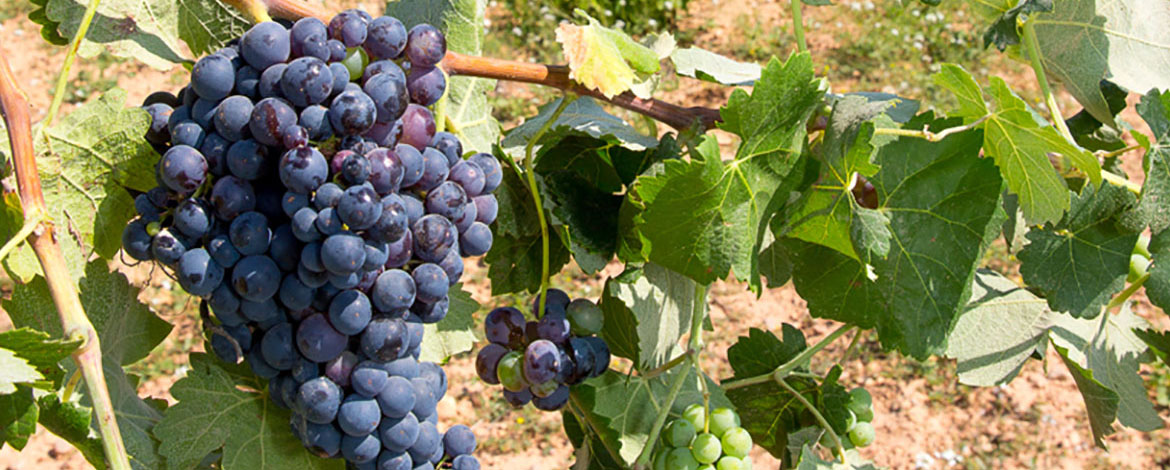
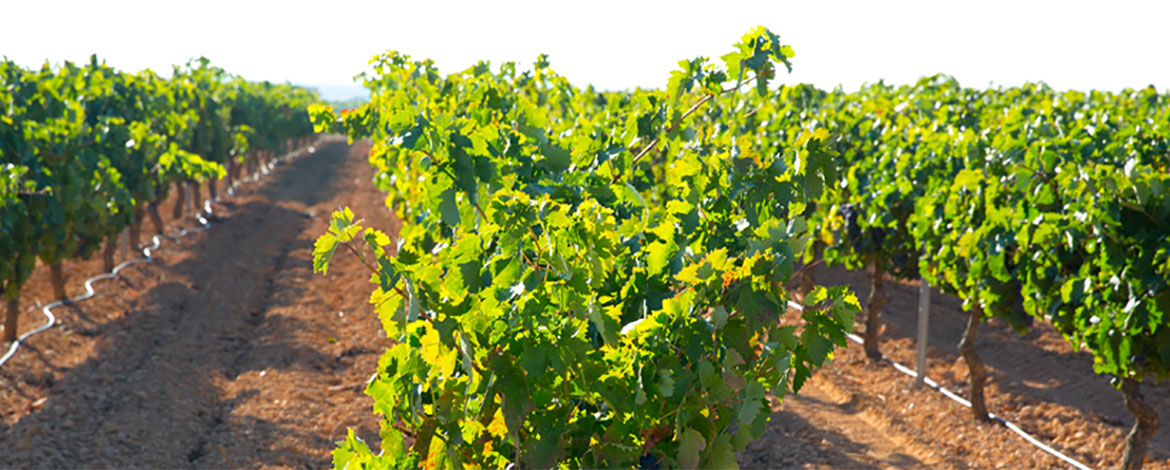
The record refers to industries that wanted him and were subject to the definition of exclusive technological process of elaboration that was defined in this regulation, so that the product could be called Cava, spread across much of the Spanish territory were enrolled. With the entry of Spain into the European Union all wines with denomination of origin are considered passed to quality wines produced in specified regions "psr" Cava although neither was OJ or produced in a particular region, but by order of February 27, 1986 traditional production area is delimited. On March 1st of that same year, Spain became part of the European Union and therefore our Cava is protected and covered by the provisions and regulations of the EU and it is considered as a quality sparkling wine produced in a specified region "psr." In 1991 the new self regulation of the Denomination of Origin was enacted in 1993 and it is the first Cava Regulatory Board in accordance with the new regulations and the provisions of the European Union. Although "Cava region" composes municipalities and enclaves located in several autonomous communities of Spain. No doubt the Penedes wine region is the most concentrated production this wine, highlighting the village of Sant Sadurní, with over 70% of annual production. The grape varieties of the appellation of origin Cava are: White: Macabeo (Viura), Xarello, Parellada, these are considered major and the three are often part of the cuvées. Subirat or Rioja Malvasia and Chardonnay are also used. In Ink: The Garnacha and Monastrell. And for making rosé champagnes are authorized Pinot Noir and Trepat. Cava wine is much appreciated and renowned in the global wine market, the quality control is permanently supervised by the Regulatory Council thereof, responsible for confirming that it is a genuine product. In white cavas organoleptic characteristics are determined by generally present a greenish yellow color with golden hues the highest breeding, with the presence of bubbles, which should be small, abundant, continuous and vertical detachment and should be a delicate crown the top of the cup. The aromatic range of Cavas are basically side (fermentation) and tertiary (breeding), which often emphasizes arable and bakery aromas with notes of ripe white fruit. The largest breeding shows a more complex bouquet by aromas of butter, honey and nuts.



